Source Blood Donation Chairs for Clinics, Hospitals, and Blood Banks
Find 30 blood donation chair options from Chinese manufacturers. Compare models like MS-B1900 and SKE090, featuring leather or stainless steel construction, to find the right fit for patient care and transfusion needs; compare the available evidence and request quotations based on your requirements.
Key considerations
Products List





Comprehensive Sourcing Guide
Blood Donation Chair Sourcing Guide
Procuring medical seating for clinical environments requires a disciplined approach to balancing ergonomic design with strict hygiene standards. Buyers must evaluate how well a chair supports prolonged patient immobility while facilitating efficient staff workflows during transfusion or donation procedures. The selection process begins by defining the specific operational context, whether the unit is intended for high-volume blood banks, outpatient clinics, or emergency care settings. Understanding these usage patterns ensures that the chosen model aligns with the physical demands placed upon it by both patients and medical personnel.
Beyond basic functionality, the procurement strategy must account for the long-term durability and maintenance requirements of the equipment. Medical chairs are subject to frequent cleaning with harsh disinfectants and constant mechanical stress from adjustment mechanisms. Therefore, sourcing decisions should prioritize materials and construction methods that resist wear and tear over time. This guide outlines the critical technical, commercial, and quality assurance factors necessary to secure reliable blood donation chairs that meet clinical standards and operational efficiency goals.
Product Scope and Observed Listing Signals
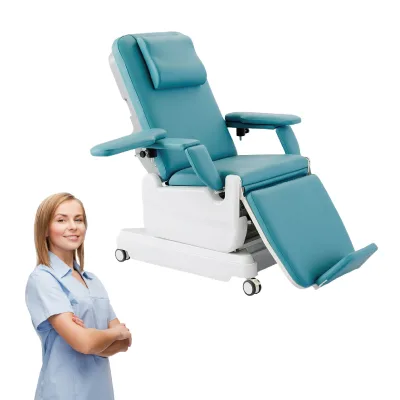
The current market offers a diverse range of seating solutions designed specifically for medical applications, with a strong emphasis on patient comfort and staff accessibility. Listings frequently highlight features such as adjustable armrests, padded backs, and specific color options like green or blue to suit various clinic aesthetics. These chairs are often categorized by their primary function, serving as either patient chairs or accompanying seating for family members. The presence of customization options indicates that manufacturers are willing to tailor units to specific institutional branding or functional requirements, allowing buyers to select configurations that best fit their unique space constraints.
Observed product attributes reveal a variety of material compositions, including leather, stainless steel, and fabric, each offering distinct advantages in terms of cleanliness and durability. Leather surfaces are often preferred for their ease of wiping and resistance to fluids, while stainless steel frames provide robust structural integrity. Buyers should note that some models are designed to remain unfolded for stability, while others may offer folding capabilities for storage efficiency. The observed price range varies significantly, reflecting differences in material quality, mechanical complexity, and brand reputation, necessitating a careful evaluation of value versus initial cost.
Technical Specifications to Verify
Dimensional accuracy is paramount when selecting blood donation chairs to ensure they fit within designated clinical spaces without obstructing patient movement or staff access. Buyers must verify critical measurements such as seat size, overall height, and width, as these parameters directly impact patient comfort and accessibility for individuals with varying physical abilities. For instance, specific models may feature standard dimensions like 8208501070mm or more compact configurations such as 390310640mm, depending on the intended use case. Confirming these specifications against the physical layout of the donation center prevents logistical issues and ensures optimal workflow efficiency during peak operating hours.
Weight capacity and net weight are also essential technical factors that influence both safety and installation requirements. Heavier units, such as those weighing around 19 kg gross, often indicate a more stable and durable construction capable of withstanding frequent use. However, buyers must also consider the ease of movement if the chairs need to be repositioned regularly. Additionally, the packing dimensions and method, whether in a carton or wooden box, affect shipping costs and handling procedures. Verifying these details with the supplier ensures that the procurement team can plan for adequate storage space and safe transportation logistics.
Compliance and Safety Documentation
Ensuring that medical seating meets relevant safety and hygiene standards is a non-negotiable aspect of the procurement process. Buyers should request documentation that confirms the materials used are non-toxic, hypoallergenic, and resistant to bacterial growth, which is critical in healthcare environments. While specific certification statuses may vary by region, it is essential to verify that the manufacturer adheres to recognized quality management systems and material safety regulations. This due diligence helps mitigate liability risks and ensures that the equipment contributes to a safe and healthy environment for both patients and medical staff.
Documentation should also include detailed information on the chair’s structural integrity and load-bearing capabilities. Buyers must confirm that the frame and joints are designed to withstand the dynamic loads associated with patient entry, exit, and adjustment. Requesting test reports or compliance certificates from independent laboratories can provide additional assurance of product reliability. Furthermore, understanding the warranty terms, such as a two-year coverage period, offers insight into the manufacturer’s confidence in their product’s longevity. Clear warranty policies protect the buyer’s investment and ensure timely support in case of manufacturing defects.
Cost Drivers and Commercial Terms
The total cost of ownership for blood donation chairs extends beyond the initial purchase price to include shipping, installation, and long-term maintenance expenses. Factors such as material quality, customization options, and order quantity significantly influence the unit price, with observed ranges spanning from moderate to premium tiers. Buyers should analyze the cost implications of different configurations, such as leather versus fabric upholstery, to determine the most cost-effective solution for their budget. Understanding these cost drivers allows for more accurate financial planning and helps avoid unexpected expenses during the procurement lifecycle.
Commercial terms, including payment methods and minimum order quantities, play a crucial role in shaping the procurement strategy. Suppliers may offer flexible payment options such as letters of credit or telegraphic transfers, which can facilitate smoother transactions for international buyers. Minimum order quantities often start at a single unit, providing flexibility for smaller clinics or trial purchases. Additionally, custom branding options, such as printed logos, may incur additional fees but can enhance institutional identity. Negotiating these terms effectively can lead to better overall value and stronger supplier relationships.
Supplier Qualification and Quality Control
Evaluating the supplier’s manufacturing capabilities and quality control processes is essential for ensuring consistent product quality. Buyers should prioritize suppliers with a proven track record, such as those with over thirteen years of manufacturing experience, as this often correlates with refined production techniques and reliable output. Verifying the supplier’s location, such as being situated in industrial hubs like Suzhou or near major ports, can also impact shipping efficiency and lead times. A qualified supplier will have robust quality assurance protocols in place to minimize defects and ensure that each unit meets specified standards before shipment.
Quality control should also encompass the availability of spare parts and after-sales support. Suppliers that offer free spare parts, such as a one percent allocation, demonstrate a commitment to long-term customer satisfaction and product maintenance. Buyers should inquire about the supplier’s response time for technical issues and their ability to provide training or installation support. Establishing a clear communication channel with the supplier ensures that any potential issues can be addressed promptly, reducing downtime and maintaining the operational continuity of the medical facility.
Long-Term Procurement Checks
Establishing a framework for ongoing supplier performance evaluation is critical for maintaining high standards in medical equipment procurement. Buyers should regularly review supplier adherence to agreed-upon quality metrics, delivery schedules, and customer service responsiveness. This continuous monitoring helps identify potential issues early and fosters a collaborative relationship that can lead to improved product offerings and better pricing over time. By maintaining detailed records of supplier performance, procurement teams can make informed decisions about future orders and potential supplier changes.
Additionally, buyers should stay informed about advancements in medical chair technology and design trends to ensure their equipment remains competitive and functional. Regularly assessing the condition of existing chairs and planning for timely replacements or upgrades can prevent operational disruptions. Engaging with suppliers for feedback on product usage can also provide valuable insights for future procurement decisions. By adopting a proactive approach to long-term procurement management, organizations can ensure that their medical seating solutions continue to meet the evolving needs of patients and staff effectively.
FAQs
How can I order a blood donation chair with customized options?
Customization is available, and listed products offer customized options with custom printed logos. You can typically specify color, material, and configuration details when placing an inquiry. Minimum order quantity starts at one piece for some models, which makes trial orders practical. Confirm your exact requirements, including dimensions and packaging preferences, before finalizing the order.
What materials are used in the listed blood donation chairs?
The listed blood donation chairs are offered in leather, fabric, and stainless steel. Leather and fabric provide comfort for seated patients during transfusion or donation sessions, while stainless steel supports easy cleaning and durability. Color options observed include green, blue, and white. Material choice usually depends on cleaning procedures, budget, and expected usage frequency in your facility.
Which models of blood donation chair are shown on this page?
The page lists models including MS-B1900, MS-B1800, MS-B1500, MS-DY500, SKE090, and SKE091. Model MS-B1900 is specified at 820*850*1070mm, SKE090 at 650*800*450mm, and SKE091 at 1650mm curve length by 560*470mm. Seat counts include single-seat and multi-function chair types. Check each listing for the full specification before comparing options for your clinic or blood bank.
How is a blood donation chair packed for shipping?
Packing varies by model: one piece in a carton, one piece per carton, one in a box, one unit per carton case, or carton, wooden box, and other options depending on the listing. One model lists spare parts at one percent free of charge. Wooden box packing is usually selected for longer shipments or heavier stainless steel units. Confirm the packing method when requesting a quotation.
Can I buy just one blood donation chair for a trial order?
Yes, at least one listing shows a minimum order quantity of one piece, so a trial or sample order is possible. This lets your team evaluate comfort, build quality, and cleaning suitability before committing to a larger quantity. Larger volume orders are typically negotiated separately with the manufacturer. Ask about customization, spare parts, and delivery terms for your trial unit.
What warranty and support terms apply to these blood donation chairs?
One listed blood donation chair comes with a two-year warranty and one percent free spare parts, supplied by a manufacturer with over thirteen years of experience. Payment terms shown include L/C, T/T, and W/U. Warranty coverage and support terms can vary between individual products, so review each listing carefully. Always confirm warranty scope, spare parts availability, and payment conditions in writing before ordering.